
Leading Foundation Repair Supplies For Effective Home Stabilization
Identify high-quality products that deliver dependable performance in foundation stabilization and repair projects.
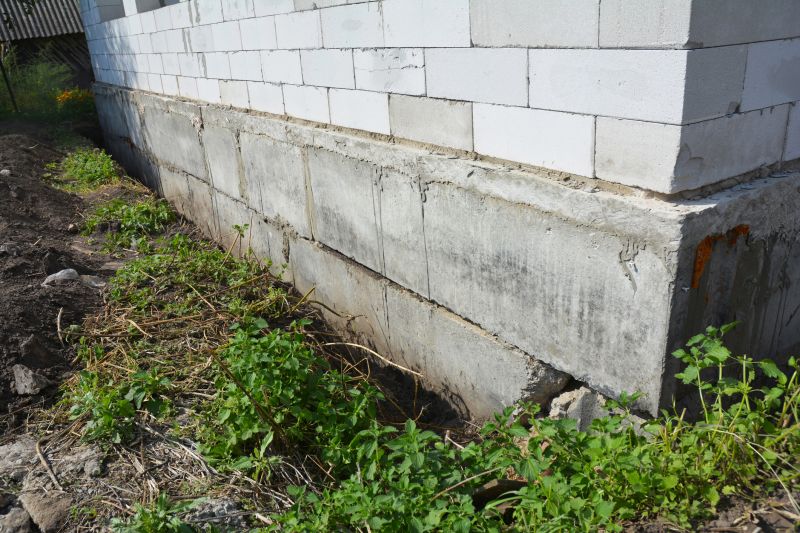 Foundation repairs are a critical aspect of maintaining the structural integrity of a building, especially in areas like North Canton, Ohio, where soil conditions and weather patterns can influence foundation stability. When addressing foundation issues, a variety of products are available to suit different needs and repair types. These range from simple sealing solutions to complex underpinning systems. Selecting the right products involves understanding the specific foundation concerns, the type of foundation, and the extent of the damage.
Top Overall Option
Polyurethane Foam Injection Systems
Polyurethane foam injection systems are versatile and widely used in foundation repair to stabilize and lift settled or cracked concrete. These systems work by injecting expanding foam beneath the foundation or slab, filling voids and providing immediate support. They are suitable for a range of foundation issues, including small to moderate settlement and cracks. The ease of application and quick curing times make them a popular choice for both professionals and experienced DIYers. When properly installed, polyurethane foam can help restore stability and prevent further shifting, contributing to the overall health of the structure.
Types of Products For Foundation Repairs
Carbon Fiber Reinforcement Straps
Used to reinforce and stabilize cracked basement walls and concrete surfaces, these straps add tensile strength and help prevent further cracking.
Push Piers
Steel piers driven into stable soil beneath the foundation to lift and stabilize sinking structures, often used for significant settlement issues.
Helical Piers
These screw-in piers are ideal for supporting and stabilizing foundations on difficult soil conditions, providing deep load transfer.
Slab Jacking/Polyurethane Foam
A method for lifting and leveling concrete slabs by injecting foam or grout beneath the surface, suitable for minor settling.
Epoxy Injection Kits
Designed to fill cracks and bond concrete surfaces, these kits help prevent water infiltration and further deterioration.
Concrete Patching and Sealants
Used to repair surface cracks and prevent water intrusion, these products help maintain the integrity of the foundation surface.
Underpinning Systems
Various underpinning solutions provide additional support beneath the foundation, often involving piering or jacking techniques.
Waterproofing Membranes
Applied to basement walls and foundations to prevent water seepage and reduce hydrostatic pressure.
Anchor Bolts
Used to secure framing to concrete or masonry, helping stabilize walls and prevent movement.
Soil Stabilizers
Chemical or mechanical solutions that improve soil stability around the foundation to reduce shifting.
Drainage Systems
French drains and sump pumps help control water around the foundation, reducing soil erosion and pressure.
Grout Injection Systems
Used to fill voids and cracks in concrete, providing additional support and sealing potential leak points.
Foundation Braces
Temporary or permanent support structures that help stabilize walls during or after repair.
Vibration and Compaction Equipment
Tools used during soil stabilization or underpinning to ensure proper compaction and support.
Drainage Matting
Installed along foundation walls to facilitate water movement away from the structure.
Hydraulic Jacking Systems
Used to lift and level slabs or foundations with controlled force, often in conjunction with underpinning.
Foundation Repair Anchors
Anchors embedded into the soil or foundation to provide additional stability against lateral movement.
Popular Choices
Favored for their quick application and effectiveness in minor to moderate repairs, these systems are commonly used in residential foundation stabilization.
Popular for their ease of installation and ability to reinforce cracked walls without extensive demolition.
A common choice for addressing significant settlement, providing deep support and lifting capabilities.
Chosen for their versatility in difficult soil conditions and ability to support various foundation types.
Widely used for sealing cracks and preventing water intrusion in basement walls and slabs.
Popular for basement and foundation waterproofing to help control moisture and reduce hydrostatic pressure.
French drains and sump pumps are essential components in managing water around foundations.
Commonly used for surface repairs and crack sealing to maintain the foundation’s surface integrity.
Selected for deep foundation support, especially in challenging soil conditions.
Used to improve soil consistency and reduce shifting around the foundation.
Popular tools during soil stabilization and underpinning projects to ensure proper support.
Often used to secure structures and reinforce existing foundation elements.
Proper foundation repair products are designed to stabilize, lift, and reinforce the existing structure. Many of these products are engineered to work with different foundation types, including concrete slabs, crawl spaces, and basement walls. It's important to consider the compatibility of the product with the foundation material, as well as its ability to withstand local soil and moisture conditions.
In addition to the product itself, installation methods and safety considerations play a significant role in successful foundation repair. Some products require professional installation due to their complexity, while others are suitable for DIY projects. Regardless of the approach, choosing high-quality, reliable products is essential to ensure long-term stability and safety. Consulting with foundation repair specialists can help determine the most appropriate solutions for specific issues.
Overall, foundation repair products are an investment in the longevity and safety of a building. By carefully evaluating the available options and considering the unique needs of the property, homeowners and contractors can select effective solutions that support structural integrity and prevent future issues.
Key Buying Considerations
- Identify the specific foundation issue, such as cracking, settling, or water intrusion.
- Determine whether the repair is minor or requires extensive underpinning or lifting.
- Assess the compatibility of the product with your foundation type and soil conditions.
- Consider the ease of installation, especially if opting for DIY solutions.
- Evaluate the longevity and durability of the product for long-term stability.
- Check for professional installation requirements or recommendations.
- Review the product’s capacity to handle the extent of the damage or settlement.
- Consider the potential for water infiltration and whether waterproofing products are necessary.
- Research the safety and handling procedures for the products involved.
- Compare warranties or guarantees offered by manufacturers or suppliers.
- Factor in the cost, including installation, maintenance, and potential future repairs.
- Look for products with proven performance in similar soil and climate conditions.
- Ensure the availability of technical support or guidance during installation.
- Verify compliance with local building codes and regulations.
- Consider environmental factors, such as moisture levels and soil composition, that could impact product effectiveness.